Henry the Solar Powered Web Server®
Is now serving up the www's...
This website and server was designed and made to abide
by the principles and ethics of the very exhibition
itself; a presentation of projects by designers who
explore the use of waste, offering insights into how one
might approach the issue of waste and what new
opportunities this can bring.
It's designed to be of a low-tech nature whilst
maintaining a contemporary. Choosing to structure the
website statically (that's with no use of a database or
CMS), dithering of images and other compression methods,
we're able to keep this website 80% lighter than the
average (750KB in fact). Drastically reducing the
required energy.
Talking page weight, in general practice this might mean
speed and convenience -- in our case, it's much more
purpose driven and can be the difference of having a
website on display at all. The more you shave off in
page size, the better the performance and the smaller
the website's carbon footprint will be.
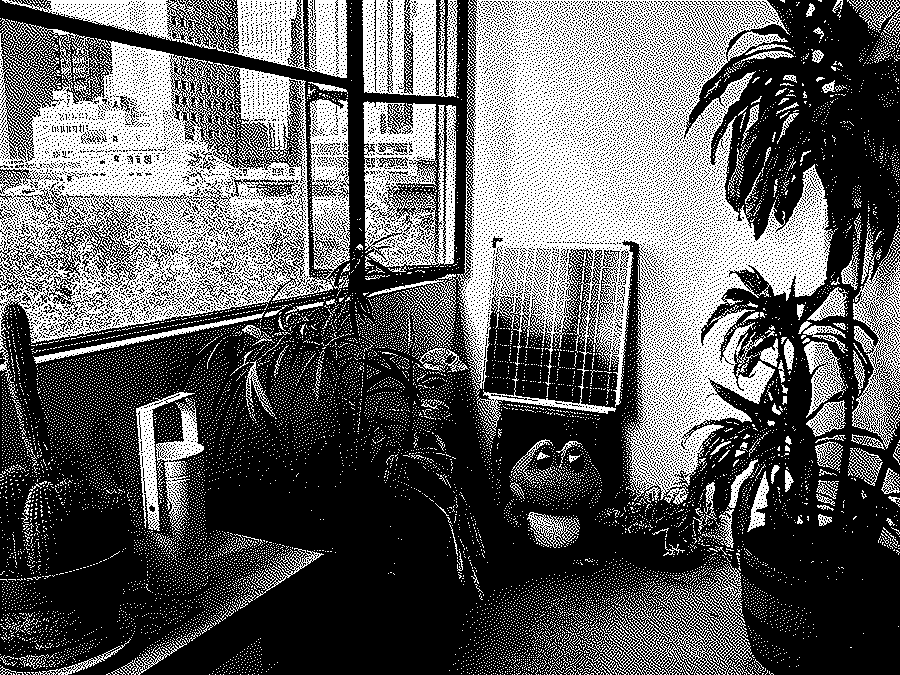
Because of this approach, the website can be run on a
tiny computer (that might not even be as swift’y in tech
as your mobile phone). It needs 2 to 3 watts of power an
hour (dependent on how many people are viewing the page)
and is powered by a 120 watt off-the-grid solar PV
system (currently on show at the exhibition) but will
soon be stationed somewhere longer term, with desirable
conditions, eg. North facing on the roof of my apartment
💡.
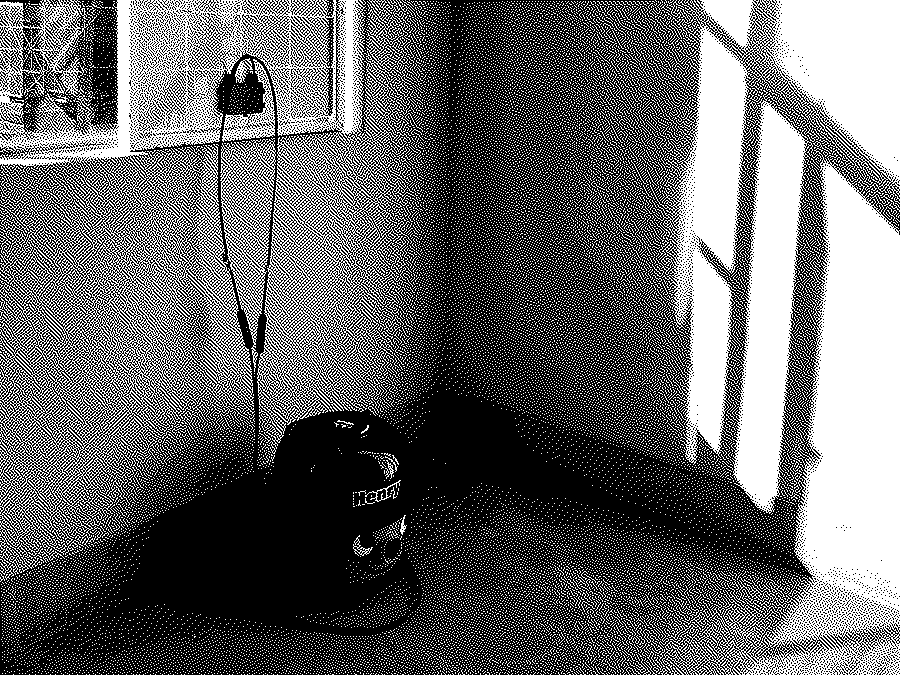
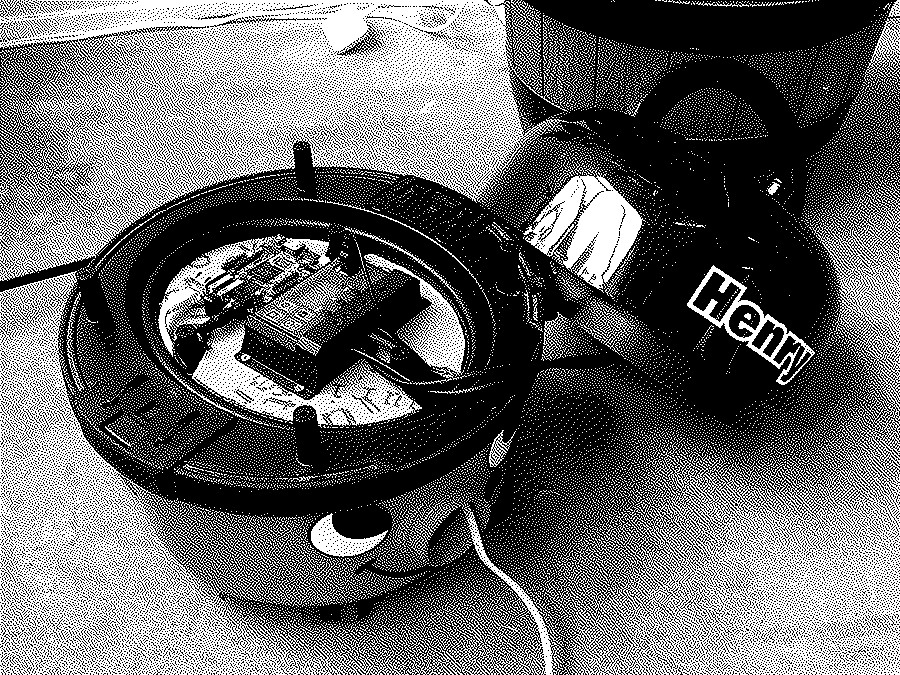
All this packs into an old, defunct henry the hoover who
was spotted on gumtree, selling for parts and which was
stripped of its motor. Aside from the strategic
opportunity to make all things tech warm and personable,
Henry was chosen based on its basic functionality: a
retractable chord storage, it’s perfectly compact and
not to mention a go getter (it has wheels).
Typically sun powered systems such as these have limited
energy storage and I am expecting the page to go down on
occasion, perhaps even regularly: say we had long
periods of cloud coverage. In the case that it goes
offline, the site can still be accessed via an RSS feed.
Questioning consumption with something omni present and
which doesn’t have a physical presence (like the
internet) can be challenging, especially when growing up
with it so close touch. The Internet already uses three
times more energy than all wind and solar power sources
worldwide can provide.
To the right, you would have seen a dashboard, where you
can read about the current energy consumption of the
website (watts and amps), the battery capacity
(indicating wether now is a good time to be browsing the
website) along with upcoming weather conditions.
The goal of this website's existence, is to raise a
general sense of awareness when consuming the internet
but also when creating for it - do we really need
to have a 'HUMVEE' of a website? (over use of high res
image/video content, rotating carousels, etc) or can the
same result be achieved with an energy-conscious
approach (*cough cough)?
We would like to credit the
Low Tech Magazine
Team (Kris, Roel and Marie) who were a huge inspiration
and who provided the foundations for this project.
We modeled the same approach from their
Open Source Project
and from the
beautiful documentation
of the Low Tech Magazine's solar web server ❤️.
Kyle Mac is a multidisciplinary designer - working
in brand, interaction and creative coding. Now with
a better understanding of defunct Henry hoovers,
internet consumption and power via the mighty ☀️.
mrkylemac.com